
In partnership with

THE WARMUP
Happy Sunday. The Back Page is open.
The World Cup is here, the Knicks are up 2-0 on the Spurs, and Roland-Garros just crowned a champion nobody had in their bracket a week ago and one more today. We’ve got a column on the 18-year-old who might own the next six weeks of your soccer-watching life, reads on a hockey coach who burned every job he ever had before getting this one exactly right, and a tennis newsletter that made me angrier about a two-centimeter line call than I expected.
Grab a cuppa and settle in.
When it all clicks.

Why does business news feel like it's written for people who already get it?
Morning Brew changes that.
It's a free newsletter that breaks down what's going on in business, finance, and tech — clearly, quickly, and with enough personality to keep things interesting. The result? You don't just skim headlines. You actually understand what's going on.
Try it yourself and join over 4 million professionals reading daily.
THE LEAD
📰 Lamine Yamal and the World Cup’s next protagonist

The stories of the World Cup capture something immeasurable within us.
The scarcity of every four years puts every storyline and character into hyperbolic overdrive. Our sense of belonging as we root for our national team.
There is an incessant need for a protagonist, a hero to drive the narrative. This summer, I’m going to watch every minute of Lamine Yamal.
He’s 18. He turns 19 on July 13 — six days before the World Cup final. Three days before his 17th birthday, he curled a shot from 25 yards past the French goalkeeper in a Euro semifinal — the youngest goal in men’s European Championship history. Spain won the whole thing.
This season at Barcelona, he ranked just inside the top 10 in all of Europe’s top leagues for non-penalty goals and assists per 90. CIES Football Observatory rates him the most valuable player on earth — ahead of Erling Haaland, ahead of Mbappé.
The World Cup has, at times, given us a teenager who made you stop what you were doing.
Pelé was 17 in Sweden in 1958 — hat trick against France, two goals in the final, first of three Jules Rimet Trophies.
Diego Maradona was a 17-year-old star in 1978, and the biggest story is that he didn’t even make the Argentine squad for a World Cup on home soil. (They still won)
Giuseppe Bergomi was an 18-year-old surprise call-up in 1982 who was mature beyond his years on the back line in helping Italy through a second group stage that included Brazil and Argentina in the same pool.
Michael Owen’s one run against Argentina in 1998.
Lionel Messi’s debut at 18 in 2006.
Kylian Mbappé at 19 in 2018, four goals, a title.
Last World Cup, Messi finally filled the protagonist role everyone had been waiting decades to hand him. So while eyes will be on him again, and on Mbappé, Haaland, Kane and old-man CR7 — I know where I’m looking.
I’ve always had a soft spot for Spain. The golden generation — Xavi, Iniesta, Villa, Casillas, and my personal favorite, Fernando Torres — won the 2008 Euros, the 2010 World Cup, and the 2012 Euros. That era is over. What replaced it may be better.
Spain arrives as reigning European and Olympic champion, chasing something no men’s national team has ever done: hold the World Cup, the Euros, and Olympic gold simultaneously. Every World Cup held in the Americas had been won by a South American country — until Germany dismantled host nation Brazil 7-1 in the 2014 semifinal and took the title.
I’m USMNT first. Full stop. But I know what I’m watching for.
— Ian Powers
THE QUESTION
❓ Sunday trivia
Pelé scored 6 goals in his first World Cup in 1958. How many total goals did he score across his World Cup career?
See answer below 👇
THE READS
📖 The best things we read this week
Each week, we curate 4-6 of our favorite reads from this week. The selections came from our own curation and from dozens of submissions by our readers. Thank you so much, and keep them coming.
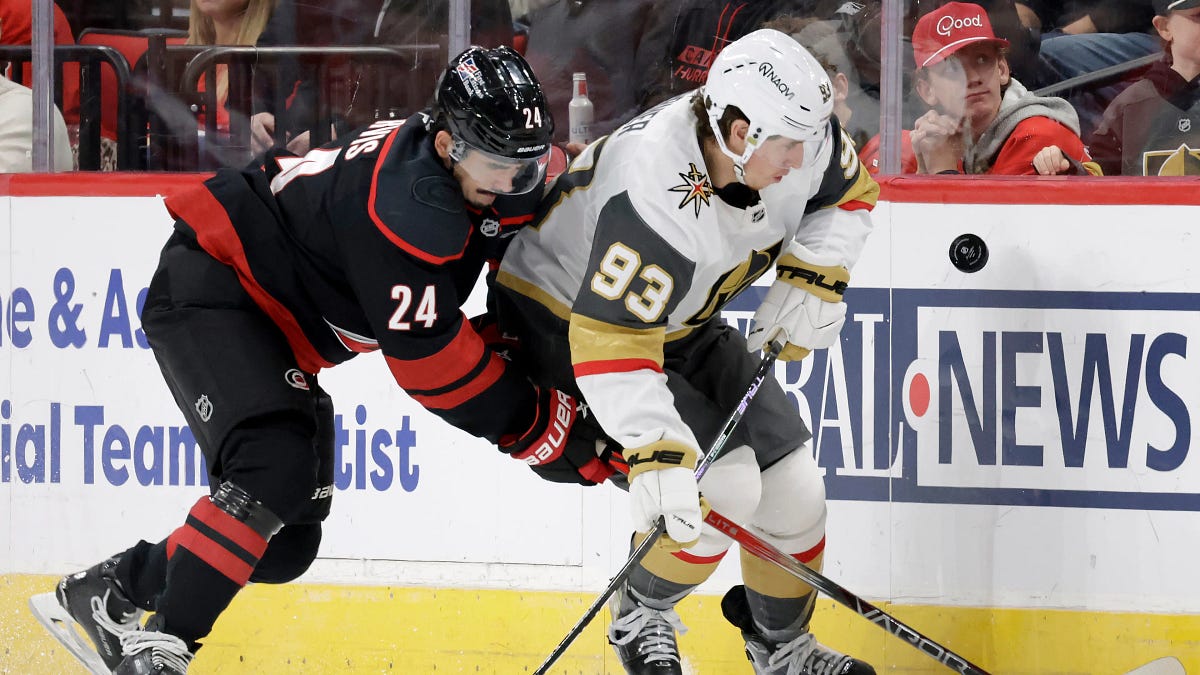
Vegas fired their coach with six games left. Then this happened.
The Golden Knights let Pete DeBoer go with six games remaining in the regular season and handed the bench to John Tortorella — the most combustible personality in hockey, a coach whose abrasive style and demand for grinding, suffocating play has worn out its welcome at virtually every stop he’s made. Never mind that he coached the Lightning to a Stanley Cup and took the Rangers on deep playoff runs. The pattern isn’t losing. It’s burning the place down on the way out.
And yet. Tortorella was exactly right for this group, at this moment, and Vegas just swept the Colorado Avalanche, the Stanley Cup favorites, to reach the Final.
Daniel Christian Gagné of What a Knight! skips past the vindication and goes straight to the film room: what Carolina’s forecheck will demand of Mitch Marner and Jack Eichel, how Carter Hart sustained a .944 save percentage against the best team in hockey, and what standing four wins from a championship actually requires. Good hockey writing for people who want to understand what they’re watching.
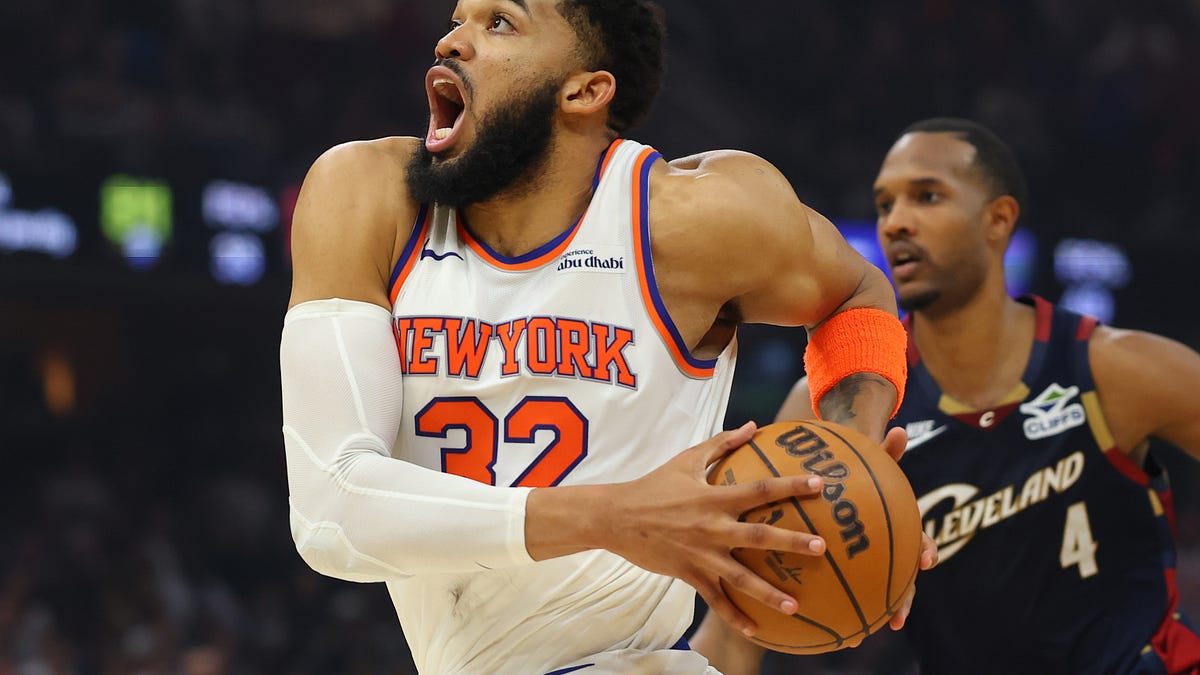
The Knicks are in the Finals. I still don’t fully understand it.
For my entire life, the Knicks have found ways to lose the most important games. Charles Smith and the non-layups against Chicago in 1993. Reggie Miller and the choke sign. Beloved John Starks went 2-for-18 in Game 7 of the 1994 Finals, including 0-for-11 from beyond the arc. This franchise has a gift for turning its fans into people who brace for impact.
Nate Silver has done the math on why this team is different. Entering the Finals, the Knicks had the best playoff scoring margin in NBA history at +19.4 points per game. Better than Jordan’s Bulls. Better than Shaq and Kobe. The defense went from 14th in the league last year to the best in basketball through these playoffs. Mike Brown unlocked Karl-Anthony Towns as a point forward, his assist rate roughly doubled, and the offense became something no one had a clean answer for. Silver is honest about the shooting luck. Even accounting for it, the number still holds up.
What the numbers don’t fully capture is the fourth quarter. My friend Peter Botte of the New York Post put it simply on X and 1.6 million people agreed: “Best closers in NY sports history: 1. Mariano Rivera. 2. Jalen Brunson. There’s not a close third.”
They’re up, 2-0, with both wins on the road in San Antonio. I’m in awe. I don’t fully understand it. Read Silver’s piece.
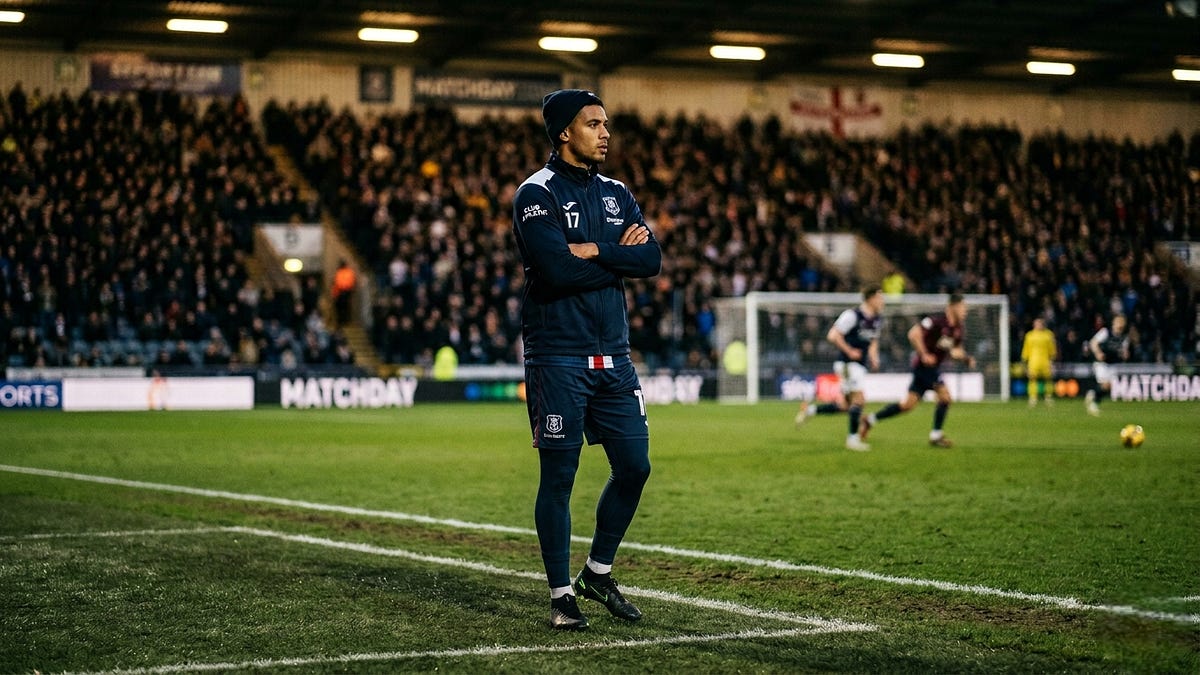
What Mario Götze can teach you about showing up
On the eve of the 2026 World Cup, Kwame Twumasi-Ankrah of Pattern of Play goes back to the 2014 final. Germany and Argentina are scoreless through 90 minutes. Joachim Löw pulls Götze aside and tells him: Show the world you are better than Messi and can decide the World Cup. Twenty-five minutes later, Götze controlled a cross on his chest and volleyed it past Romero with his left foot. Germany wins. First substitute in history to score the winning goal in a World Cup final. He was 22 years old, and he hadn’t even started the game.
Kwame uses that moment to examine something most sports writing skips past — the specific skill of entering a living system you didn’t build. The game has been running for 80 minutes without you. The patterns are set, the rhythms established, the understandings unspoken. The substitute has to read all of it from the outside and act on it the moment they step in. He takes it further, into Roger Milla at 38, into the new hire joining a team mid-project, the interim leader handed a mess already in motion. The one who waits isn’t disadvantaged. Sometimes they’re the only ones who can see what the system can no longer see from within itself. Good World Cup week reading.
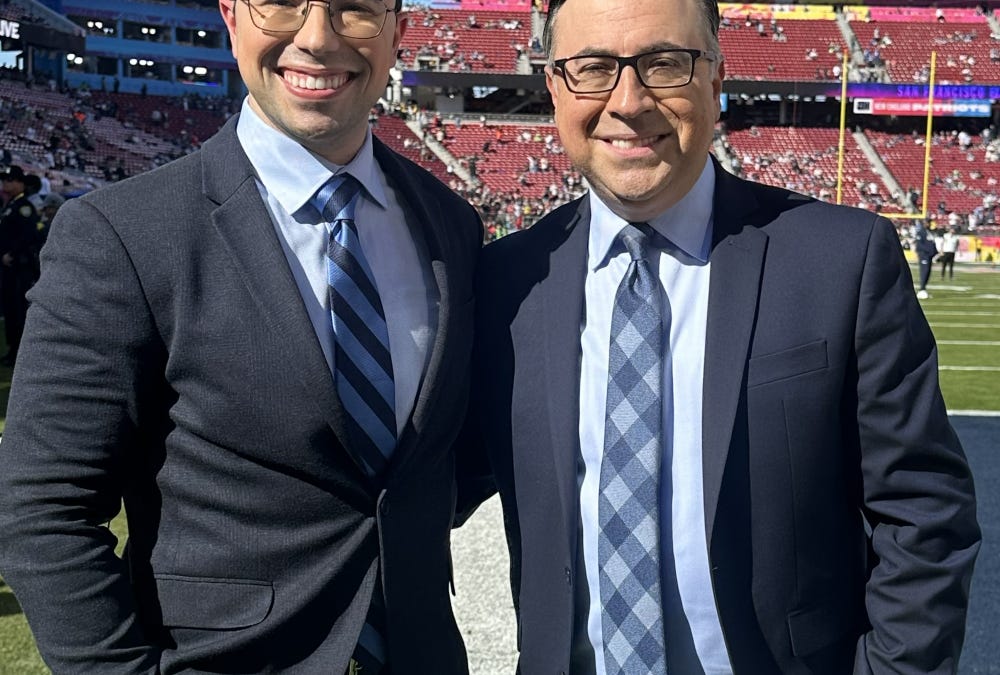
A summer at WFAN, a career in broadcasting, and the Knicks in the Finals
David Tratner of The Through Line interned at New York City sports radio station WFAN in the summer of 1989 alongside Ian Eagle — back when Howie Rose was doing Mets Extra and Mike Breen was reading updates for Imus in the Morning, and two guys named Francesa and Russo were about to start an afternoon drive show together.
Eagle has been one of the best in the business ever since. Nets voice for more than 30 years, NFL on CBS, the Final Four, now the NBA on Amazon Prime. Tratner caught up with him by text ahead of the Knicks-Spurs Finals — Eagle on what makes Wembanyama a defensive problem without a clean answer, what a Knicks title would mean for Jalen Brunson’s legacy, what Mike Breen calling this series means to a New Yorker who’s done it his whole life, and what he remembers about the day the Mets traded Lenny Dykstra and it all clicked that this was the business he wanted to be in. Light, fun, and worth it for the last answer alone: asked for a Finals pick, Eagle declined. Turns out he’s never eaten a condiment in his life. Never had a cherry.
Roland Garros still won’t install Hawk-Eye. Here’s why that’s a problem.
João Fonseca hit a forehand down the line at 8-7 in the second-set tiebreak against Casper Ruud in the Round of 16. The linesman called it good. The chair umpire agreed. Ruud called for the supervisor. The clay mark was inconclusive. Hawk-Eye, available to broadcast but carrying no official authority at Roland Garros, had the ball out by two centimetres. Fonseca took the set. The post-match press conference was entirely about a ball.
The Tour Van breaks down why Roland Garros is the last Grand Slam standing on this — the Australian Open went fully electronic in 2021, the US Open in 2022, Wimbledon retired its line judges before 2025. The French federation’s arguments aren’t nothing: clay geometry creates tracking complications that hardcourt doesn’t, and the French federation has an employment commitment to more than 700 trained officials it hasn’t been willing to walk away from. But the piece also cites a 2024 study from Roland Garros’s own statisticians showing that top-10 seeds received favorable overrules at a measurably higher rate than players ranked 50 and below. The human eye has a bias. The French Open is the only major still depending on it. Good wide-angle tennis writing with a real argument at its center.

THE LISTEN
🎧 The best podcasts we heard this week
Each week, we curate 1-2 of our favorite podcasts. The selections came from our own curation and from submissions by our readers. Thank you so much, and keep them coming.
Before the whistle blows
David Gass and the crew at Kickback Soccer Media have spent the past year building toward this tournament — capsules on every competing nation, tactical breakdowns, qualifying drama, the whole run-up. Episode 16 of First Touch is the payoff: Gass and his guests sit down before the opening whistle and go through the storylines they can’t wait to watch unfold. Less of a prediction show, more curiosity inventory — the narratives, the characters, the subplots worth tracking across six weeks of soccer. Good company for a commute this week.

THE WATCHES
📺 The best videos we viewed this week
Each week, we curate 1-2 of our favorite videos. The selections came from our own curation and from submissions by our readers. Thank you so much, and keep them coming.
FIFA’s World Cup. Follow the money.
Jordan Macaulay of The Long Play breaks down how FIFA built the World Cup into the most lucrative four-year cash cycle in sports — and how 2026, with its expanded 48-team field and North American footprint, represents the biggest money grab yet. Good context for understanding what’s happening around the soccer.
The USMNT as dark horse
Filippo Silva of Tactical Manager makes the case that the USMNT is the dark horse to watch at this World Cup — a team with the talent, the home crowd, and a bracket that could carry them to the semifinals if things break right. He maps out the pathway. Good pre-tournament viewing before the Americans kick off, and a useful counterweight to the column you’ve already read about Yamal and Spain.
THE PRESSROOM
🗞️ Who’s making moves in the newsletter space
Howard Bryant finally showed up to Substack
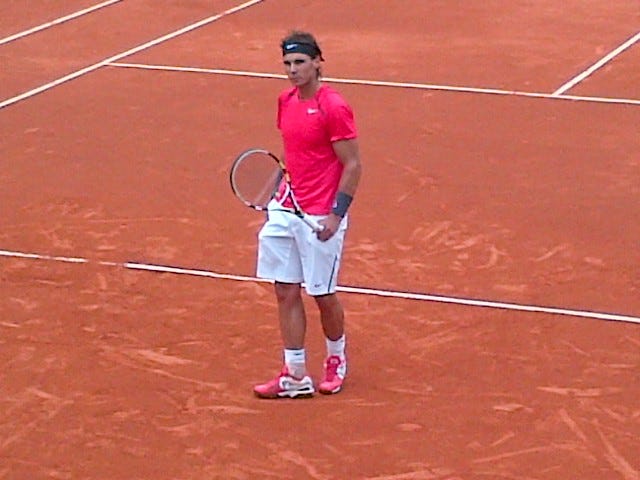
He had his reasons for waiting — an ESPN contract that prohibited outside writing, genuine skepticism about the subscription economy, discomfort with the whole journalist-as-brand apparatus. But after leaving ESPN last year, Bryant found himself with too many thoughts and nowhere to put them except a Threads post. He’s done with that. The launch piece opens at Roland Garros in 2012 — Nadal dismantling Juan Monaco 6-2, 6-0, 6-0 — before explaining why a writer of Bryant’s range needs a daily landing space again. It’s a good read. His ESPN column was called “The Truth.” He’s thinking that name might need to come back.
A good news alert from the press box family
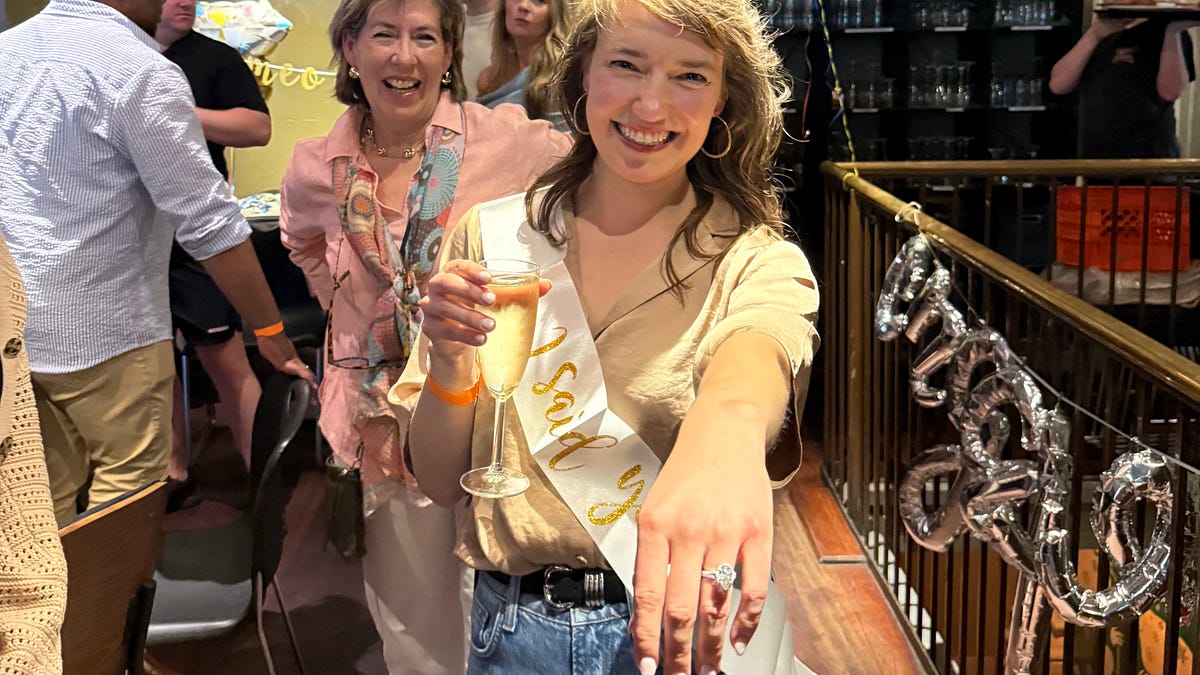
My friend and former colleague Wayne Coffey — New York Times bestselling author, one of the best storytellers in the business — has a daughter, Alex, who is an award-winning features sports reporter for the Philadelphia Inquirer. She just got engaged to Rich Hofmann, who runs the Broad St. Bulletin, a daily independent newsletter covering Philly sports. If you care at all about the Eagles, Phillies, Sixers or Flyers, it should already be in your inbox.
Wayne wrote about the proposal — it happened Friday night on Delancey Street in Old City Philadelphia, the cobblestones and colonial-era rowhouses and all of it — and it’s a beautiful piece. The origin story alone: Alex and Rich were both at The Athletic during COVID, connected through a Slack channel discussion on a story, and the rest took three years to work itself out. Two sportswriters, two press box families — Rich’s father was a longtime columnist at the Philadelphia Daily News — and a ring on a historic street in the city they both cover. Read it.
THE ROSTER
📋 Some follows to note
We want to celebrate as many independent creators on The Sunday Back Page as possible. Here are all the people who either submitted their work for consideration or were considered independently this week. Many of these creators deserved a place in this newsletter, and we hope they continue to submit their work. Please keep them on your radar.
Let’s Talk Football | OffBallFC | The Full Scope | Jack Greven | Basketball Poetry | Michael King | Heart of a Fan | Jason Clewes | Sunny Fassler | Eric Katz | Jesse Gerritsen | Gabriel Zabala | Sportsverse | Rough Notes
Want to see your independent publication featured here? Let us know. There are hundreds more baseball Substacks out there. Give me a shout!
THE ANSWER
❓ Sunday trivia answer
12 goals. 6 in 1958; 1 in 1962; 1 in 1966; 4 in 1970.
THE SCORECARD
